Masai Mara Village Visit
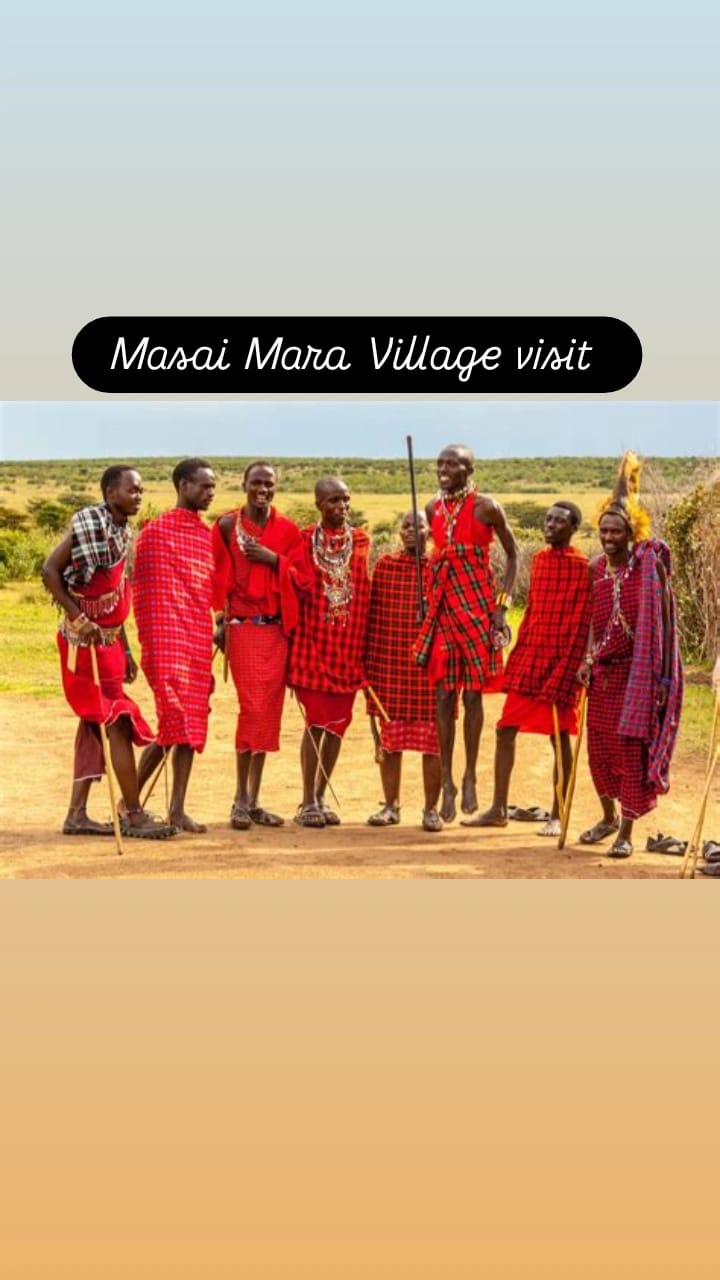
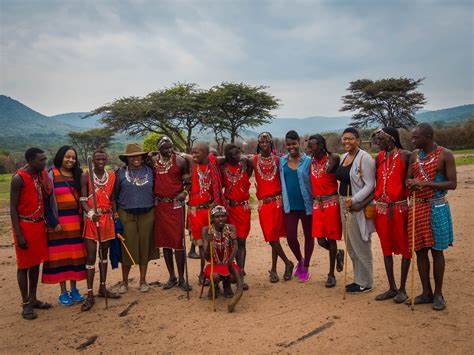
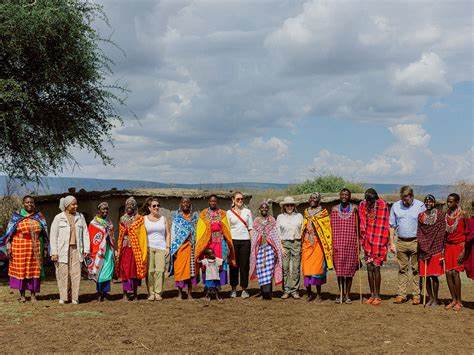
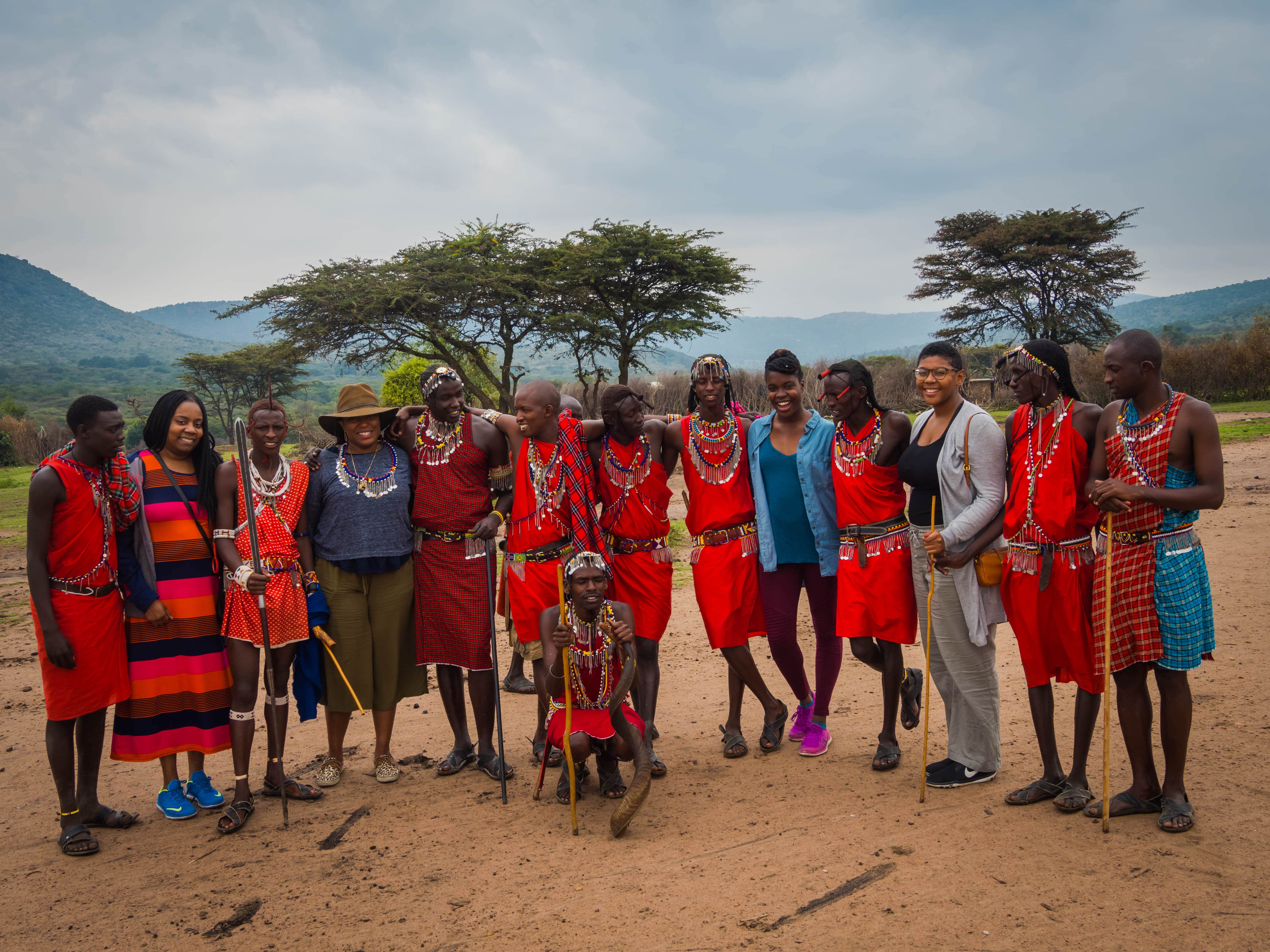
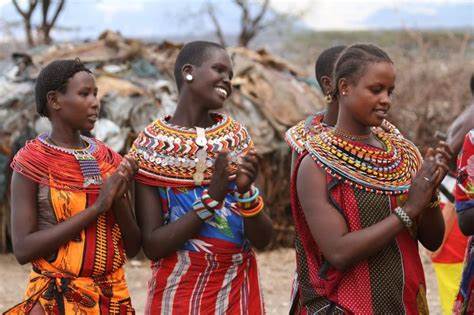
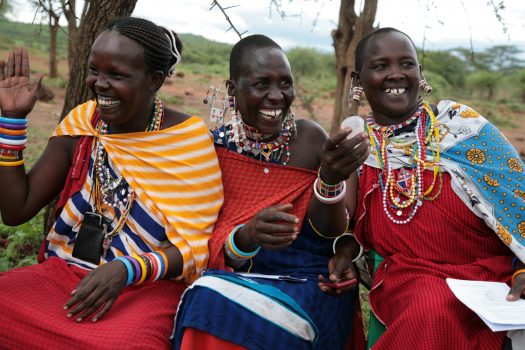
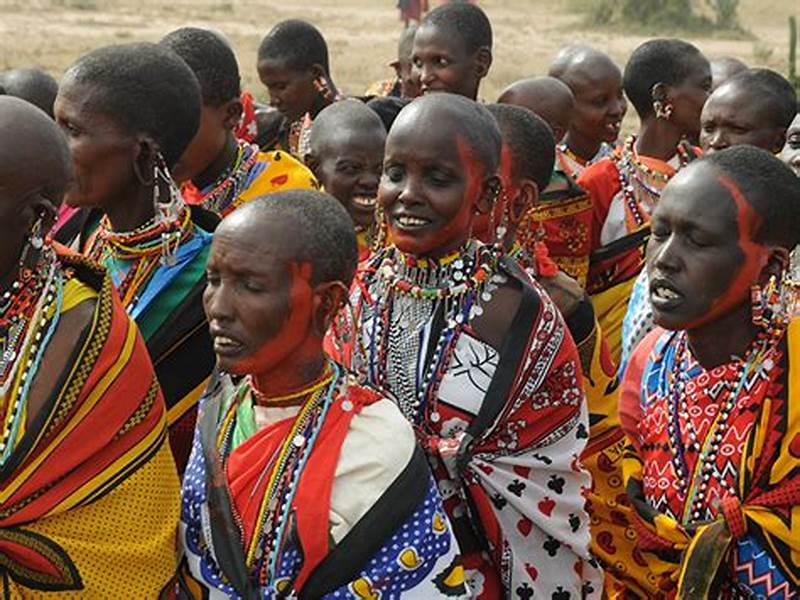
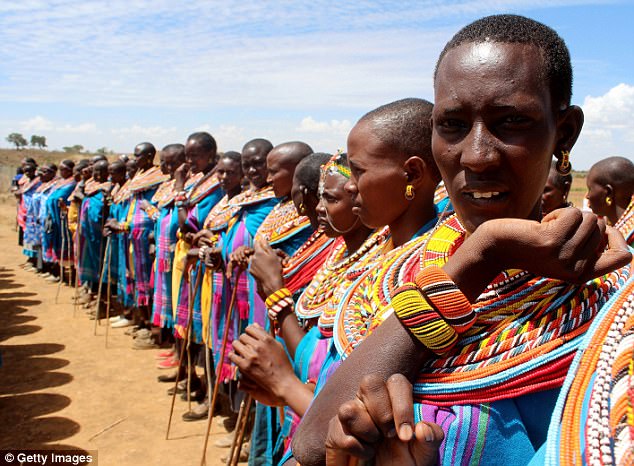
Upon arrival, visitors are greeted with traditional Maasai songs and dances, often performed by men in bright shukas and women adorned with intricate beaded jewelry. The visit includes a guided tour of a Maasai boma (homestead), where the manyattas—dome-shaped homes constructed from mud, sticks, cow dung, and thatched roofs—are showcased. These homes are small, typically around 3 meters in diameter and 1.5 meters in height, with low entrances designed to keep warmth inside and protect against predators. Inside, the interiors are simple, featuring cowhide beds, a fire pit for cooking and warmth, and minimal furnishings.
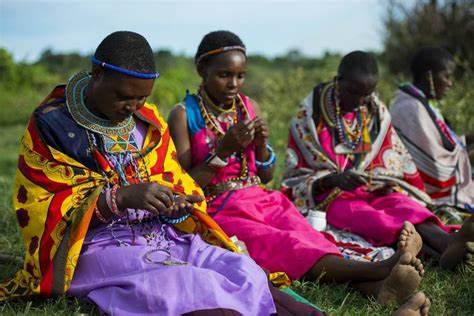
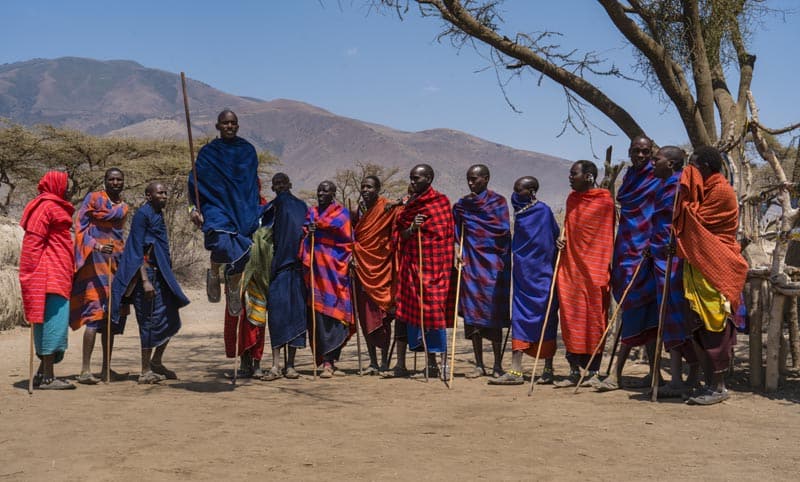
Visitors learn about the Maasai’s pastoral lifestyle, which centers on cattle herding, as livestock remain economically and spiritually significant. The Maasai traditionally consume milk, meat, and even blood from their cattle, though modern influences have introduced grains like maize into their diet. Cultural demonstrations include the famous 'Adamu' jumping dance, performed by Maasai warriors to display strength and attract potential brides; while only men traditionally participate, visitors are often invited to join in the circle. Other activities may include learning about traditional fire-making, beadwork, and spear throwing, with some tours offering hands-on experiences.
The visit often includes a stop at a local handicraft market where Maasai women sell handcrafted jewelry, sandals, and ornaments, with proceeds supporting the community. Some tours also offer optional activities such as observing cattle herding, milk collection, or participating in a mock wedding dance. The experience is designed to be educational and immersive, fostering respect for Maasai traditions while promoting sustainable tourism.
While many travelers praise the authenticity and warmth of the hospitality, some reviews note concerns about commercialization, such as pressure to purchase souvenirs or unexpected fees. To ensure a meaningful experience, it is recommended to choose tour operators with ethical practices and transparent pricing.
These times are cooler and more comfortable for walking around the village. The lighting during these hours also provides excellent opportunities for photography.